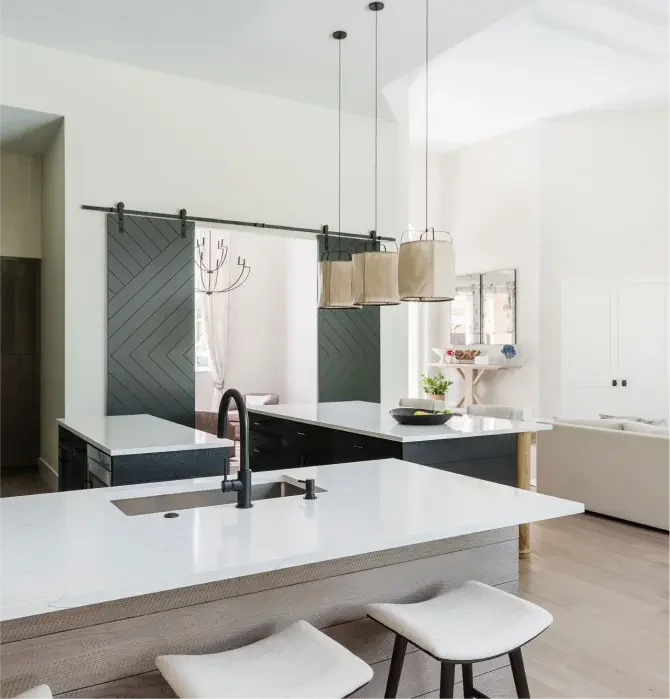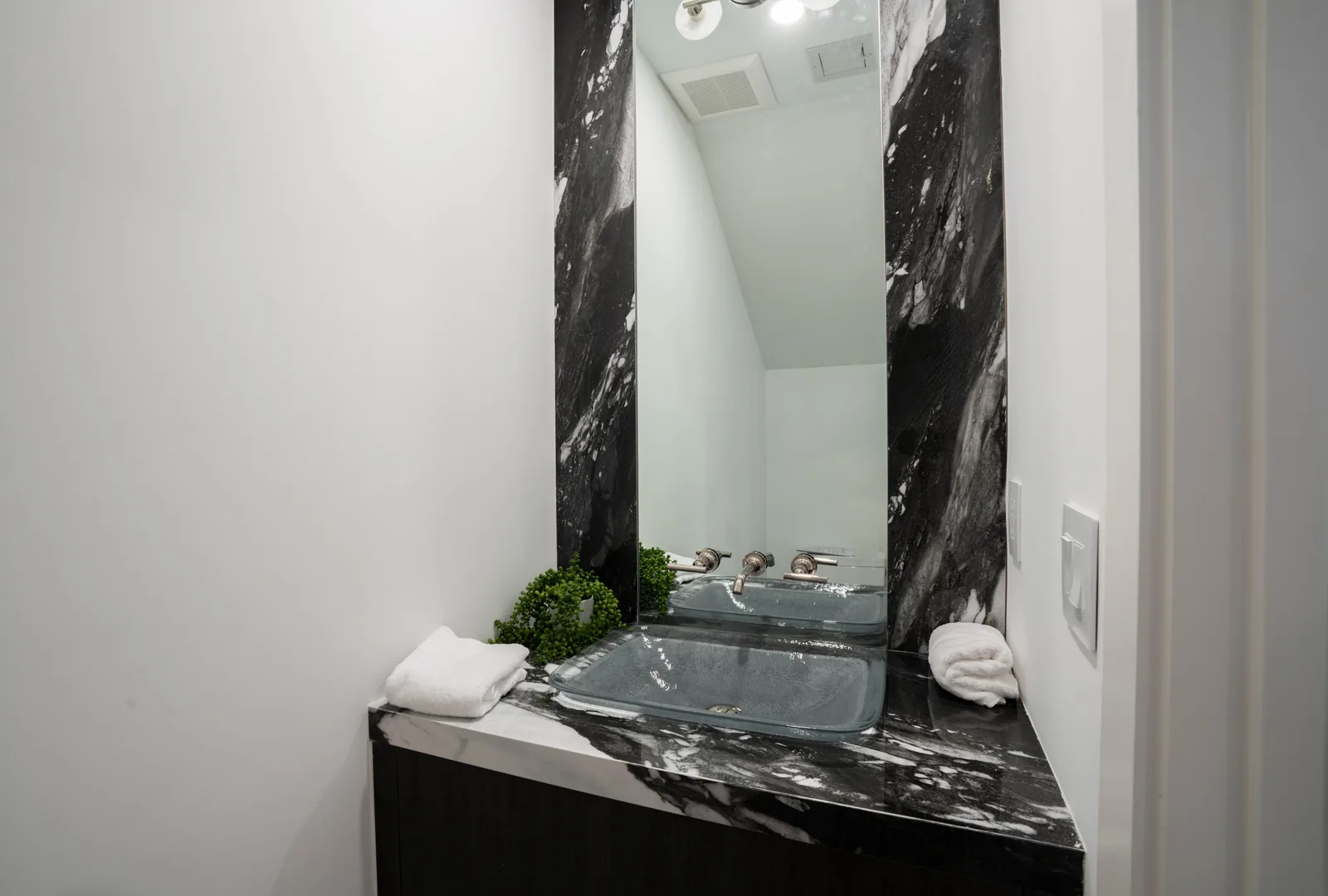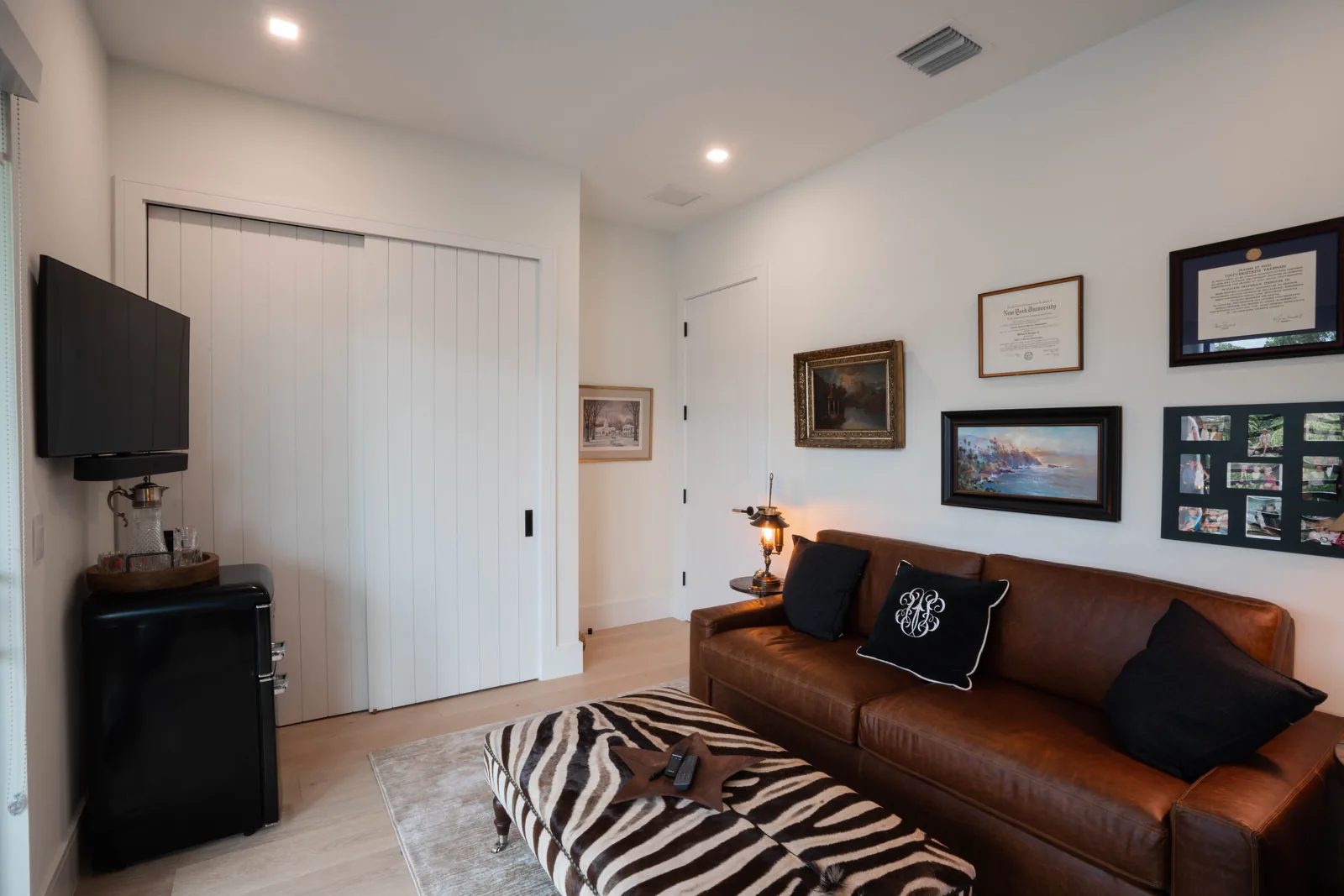
At SouthShore, turnkey means a single contract that covers architectural coordination, engineering, permitting, construction, all interior and exterior finishes, pool and landscape integration, appliances, and punch list resolution through certificate of occupancy. You sign one agreement, deal with one point of accountability, and receive a home ready to furnish and move into. A builder who asks you to hire separate firms for cabinetry, appliances, or landscaping is offering a partial scope, whatever the marketing says.
Every custom home builder in South Florida uses the word turnkey in their marketing. Very few define it the same way. The term is vague enough that it can describe a builder who delivers a finished home with landscaping, appliances, and a certificate of occupancy, or a builder who hands over a finished shell and tells the client to hire a separate team for cabinets and flooring. Both call it turnkey. The contract is where the word actually means something.
At SouthShore Builders, turnkey describes a specific delivery model: a single contract covering architectural coordination, engineering, permitting, construction, all interior and exterior finishes, pool and landscape integration, appliance procurement and installation, and final punch list resolution through certificate of occupancy. The client signs one agreement, deals with one point of accountability, and receives a home that is ready to furnish and move into. Anything short of that standard is a partial scope, regardless of what the marketing language says.
What a genuine turnkey scope should include
A turnkey custom home delivery should cover everything from the first architectural sketch through the final walkthrough. Specifically:
- Architectural design development and construction documents
- Structural, MEP, and civil engineering
- Permitting coordination with the municipality and any applicable HOA or architectural review board
- Site work, including demolition of any existing structures if applicable
- Foundation, framing, mechanical, plumbing, and electrical rough-in
- Exterior envelope (roof, walls, windows, doors) meeting South Florida wind and impact codes
- Interior finishes (flooring, cabinetry, countertops, tile, paint, trim, lighting)
- Appliance procurement, coordination, and installation
- Pool, spa, and outdoor kitchen construction where applicable
- Landscape design and installation
- Driveway, pavers, and hardscape
- Final walkthrough, punch list resolution, and certificate of occupancy
The most common gap in builders who market as turnkey but operate differently is the separation of finish work. A builder who contracts for the structural build but asks the client to hire a separate firm for cabinetry, appliances, or landscaping is not operating turnkey, even if the marketing suggests otherwise. The client ends up coordinating multiple contractors under separate agreements, which is exactly the complexity turnkey is supposed to eliminate.
The alternative to turnkey is the traditional separated model: the client hires an architect directly, the architect produces plans, those plans go to bid with general contractors, and the contractor is brought in after most design decisions have been made. This model has its place, particularly on ambitious architectural projects where the design vision needs to lead the process. But it carries more risk for the client: bids can come back over budget, which triggers redesign cycles that cost both money and time, and accountability for problems that span design and construction can get distributed in a way that makes resolution harder. Turnkey, done correctly, compresses those failure modes.
What to verify before signing a turnkey contract
Want one team from design to keys?
Tell us about your lot and your timeline. We will walk you through what a single contract actually covers.
Start a ConversationThe only way to know whether a builder delivering a turnkey contract actually does what the term implies is to read the scope of work section carefully. Look for explicit inclusion of: architectural services, engineering, permit fees, landscaping, pool, driveway, appliances, and the certificate of occupancy. Look for explicit allowances with dollar figures for cabinetry, flooring, tile, countertops, and lighting. Allowances listed as "TBD" or without numbers are where partial-scope builders reserve the right to narrow the delivery later. Finally, verify that the payment schedule is progress-based and tied to observable milestones, not front-loaded.
SouthShore's design-build services are structured as turnkey by default, but we also offer partial-scope engagements for clients who have an existing architectural relationship or prefer to contract directly with specific vendors. The choice is the client's. The important thing is that whatever scope is agreed to is clearly documented in writing before any work begins.
Frequently Asked Questions
Does turnkey include furniture and interior design?
Not by default at SouthShore. Turnkey covers the home itself through certificate of occupancy, including built-in cabinetry, appliances, and lighting. Freestanding furniture, artwork, and window treatments are typically handled by the client or an interior designer they engage separately. We can coordinate with an interior designer during construction if the client wants us to.
Can I provide my own architect under a turnkey contract?
Yes. If a client has an existing relationship with an architect whose work they want on the project, we can structure the engagement around that. The design coordination, construction, and finish delivery still fall under our scope. This is technically a design-assist rather than a pure design-build turnkey model, but the client experience is similar.
How do you handle changes to the scope during construction?
Every change is documented as a written change order with the cost and timeline impact noted before the work proceeds. The client signs the change order, which becomes an addendum to the original contract. No change work happens on a verbal agreement. This protects both parties and keeps the project accountable to a specific scope and budget.

President, SouthShore Builders
Chase Lamson leads SouthShore Builders with decades of South Florida custom home experience. SouthShore is a licensed general contractor serving Palm Beach County and Broward County.