Building near the water in South Florida means meeting elevation, foundation, envelope, and material requirements that inland homes do not face. Finished floors in coastal zones often sit 3 to 7 feet above natural grade, Zone VE homes need piling foundations that add $50,000 to $200,000 or more, and salt air demands 316 stainless fasteners and marine grade finishes. Oceanfront lots may also need FDEP Coastal Construction Control Line permits, typically adding 3 to 6 months, and annual insurance can run 2 to 4 times what the same home costs on an inland Delray Beach lot.
Coastal construction in South Florida is a different category of work than inland residential construction. The regulations are more demanding, the construction requirements are more specific, the material choices are narrower, and the cost structure reflects all of that. For clients building on the ocean, the Intracoastal, or any lot in a high-hazard coastal zone, understanding what makes coastal construction different is the first step in approaching the project realistically.
Finished floor elevation
The most significant difference is finished floor elevation. In FEMA Zone AE, the finished floor must be at or above Base Flood Elevation plus local freeboard (typically 1 to 2 feet in Palm Beach County). In Zone VE (coastal high hazard, oceanfront), the lowest horizontal structural member must be above BFE, and enclosed space below BFE is restricted. This elevation requirement drives foundation design, site grading, driveway access, and the overall architectural expression of the home.
On a practical level, finished floors in coastal zones often sit 3 to 7 feet above natural grade. That elevation creates design opportunities (visual prominence, better views, natural cross-ventilation) and design challenges (ADA compliance, aging-in-place considerations, driveway grade transitions).
Foundation design
In Zone AE, foundations are typically elevated slab-on-grade with fill material brought in to raise the site, or a stem wall foundation with the slab above BFE. In Zone VE, foundations are almost always piling-supported, with the structure elevated on concrete or steel piles driven or augured into the subsurface. Piles transfer loads below the soil layers that wave action can erode during major storm events, providing structural stability that spread footings cannot match in coastal high-hazard zones.
Piling foundations add $50,000 to $200,000-plus to a typical custom home cost compared to conventional spread footings. The exact number depends on pile depth, pile type, and pile count.
Wind zone and envelope
Most of coastal South Florida falls within high-velocity hurricane zones (HVHZ) that require specific structural detailing and tested envelope systems. Requirements include:
- Impact-rated windows and doors throughout the envelope (no shutters-only solutions on new construction in HVHZ)
- Roof attachment details with tested uplift capacity
- Continuous load path from foundation to roof with documented connection details
- Wall sheathing with tested wind-load resistance
- Roof-to-wall connections using tested hurricane straps or equivalent hardware
- Product approval documentation for every component (Miami-Dade NOA or equivalent Florida product approval)
These requirements apply broadly across South Florida, not just coastal zones, but the inspection rigor and documentation expectations are higher on coastal projects.
Material selection
Salt air accelerates corrosion on anything that is not specifically designed for marine environments. Material selection on coastal projects needs to account for this:
- Stainless steel fasteners (316 grade, not 304) on all exterior structural connections
- Galvanic isolation between dissimilar metals to prevent corrosion at connections
- Marine-grade finishes on any exterior metals (hardware, railings, fixtures)
- Concrete cover over reinforcing steel increased beyond standard minimums
- Corrosion-resistant roofing fasteners and flashing
- Exterior paints and sealants rated for coastal environments
- Landscape hardware (pool railings, deck fixtures) in 316 stainless or marine-grade alternatives
Generic hardware that is fine on an inland project will fail within a few years on a coastal lot. The material upgrade for coastal construction typically adds a modest percentage to hardware and finishes budget but substantially improves the home's performance over time.
Seawall and dock coordination
Projects on Intracoastal lots or canal-front lots often involve coordination with seawall contractors and dock builders. Seawall work requires SFWMD (South Florida Water Management District) and potentially Army Corps of Engineers review. Existing seawalls should be evaluated during pre-construction, because older seawalls approaching end of life can become expensive mid-project surprises if they need replacement during construction.
Marine setbacks
Oceanfront lots are subject to Coastal Construction Control Line (CCCL) regulations enforced by the Florida Department of Environmental Protection. Structures seaward of the CCCL require FDEP permits in addition to local permits. The permitting adds timeline (typically 3 to 6 months for CCCL review in addition to municipal permitting) and requires specialist consultants who deal with FDEP regularly.
Insurance implications
Coastal construction affects insurance in both directions. Flood insurance is required on properties in flood zones, and premiums scale with flood zone (VE is more expensive than AE, which is more expensive than X). Wind insurance premiums are typically higher on coastal properties, though well-built homes with comprehensive wind mitigation features can qualify for significant discounts. Overall annual insurance cost on a coastal custom home can run 2 to 4 times what the same home would cost to insure on an inland Delray Beach lot.
The SouthShore coastal approach
Building near the water?
Send us the parcel. We will tell you what elevation, wind, and site access add before you commit.
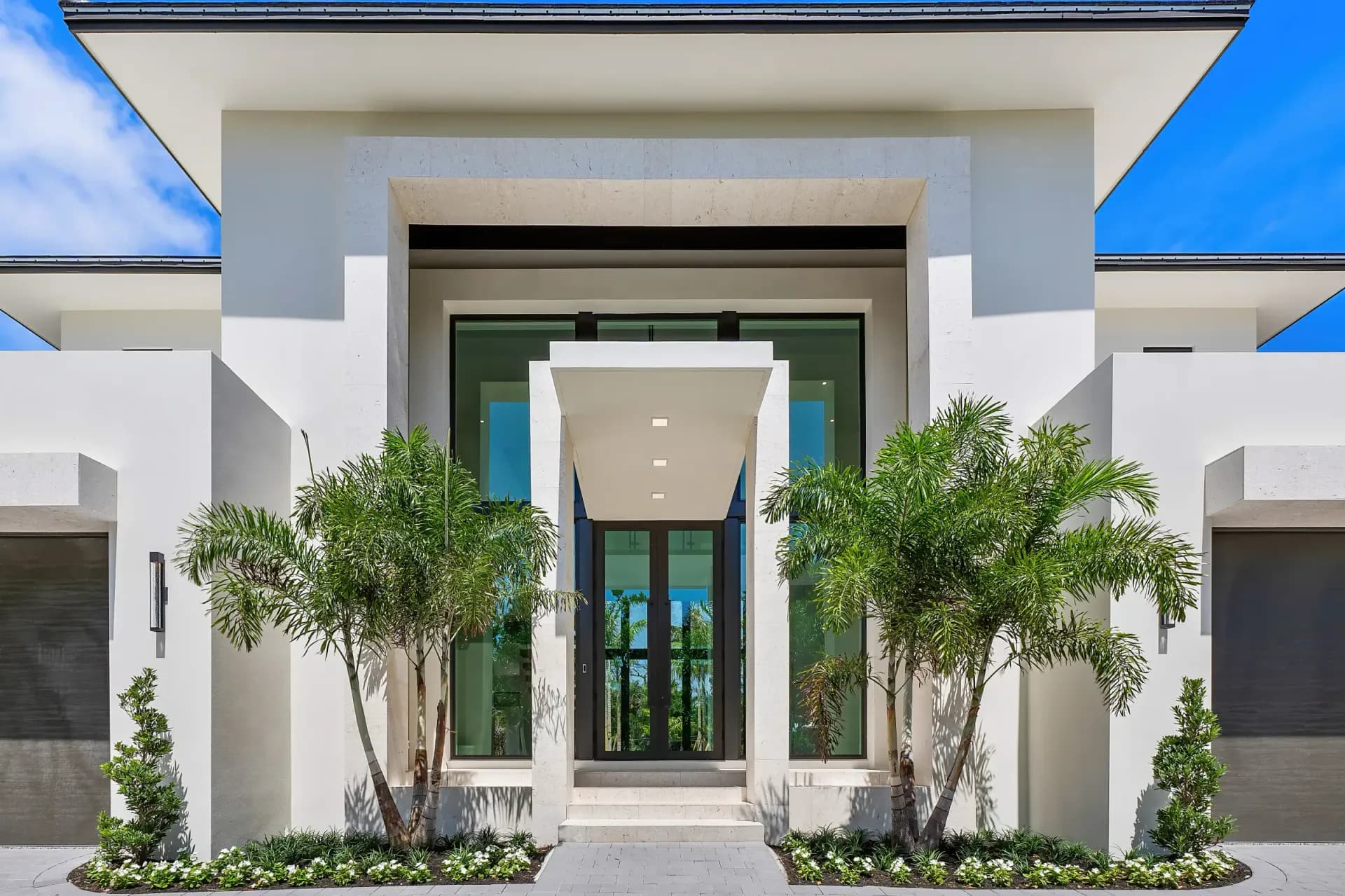
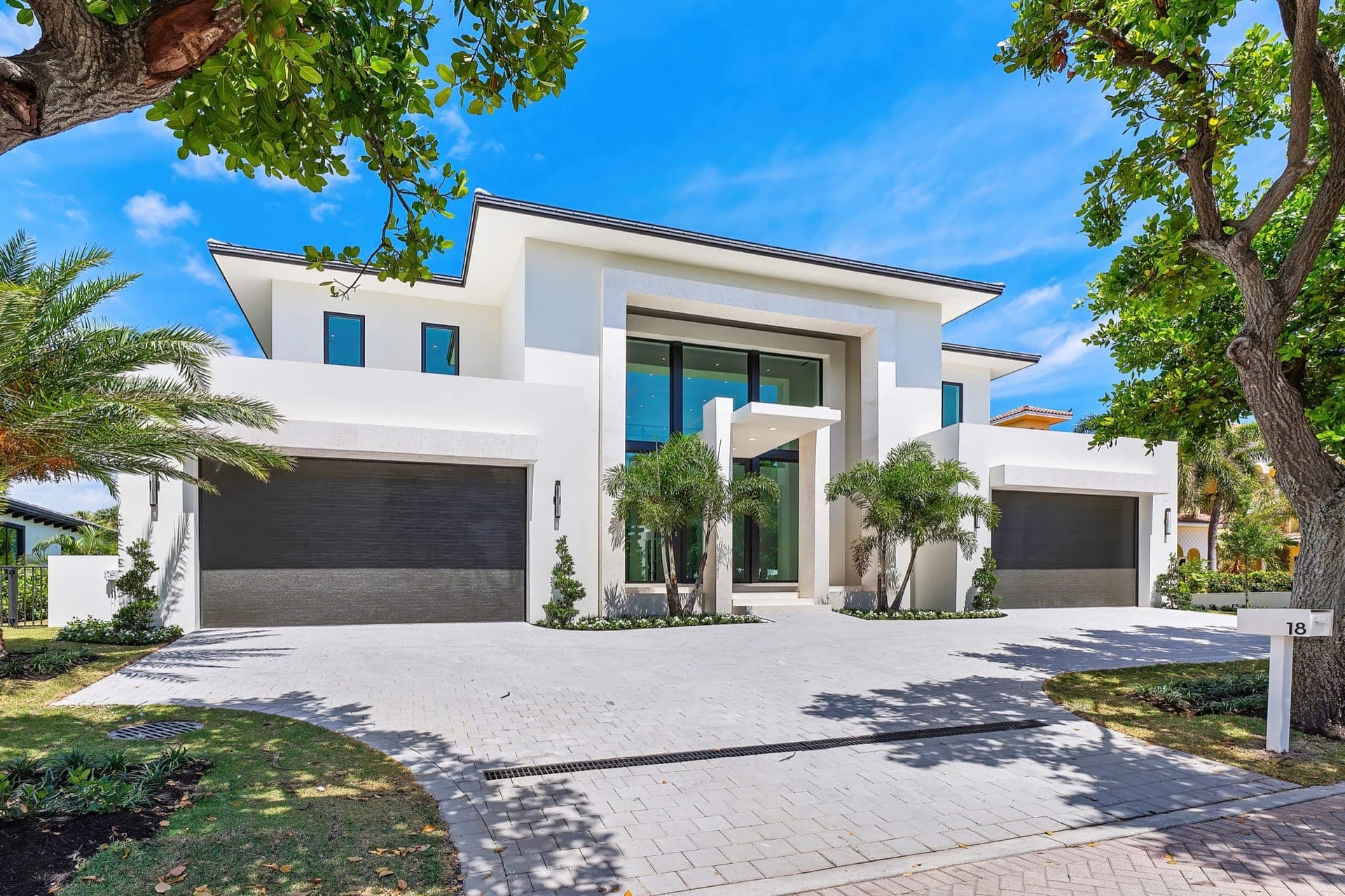
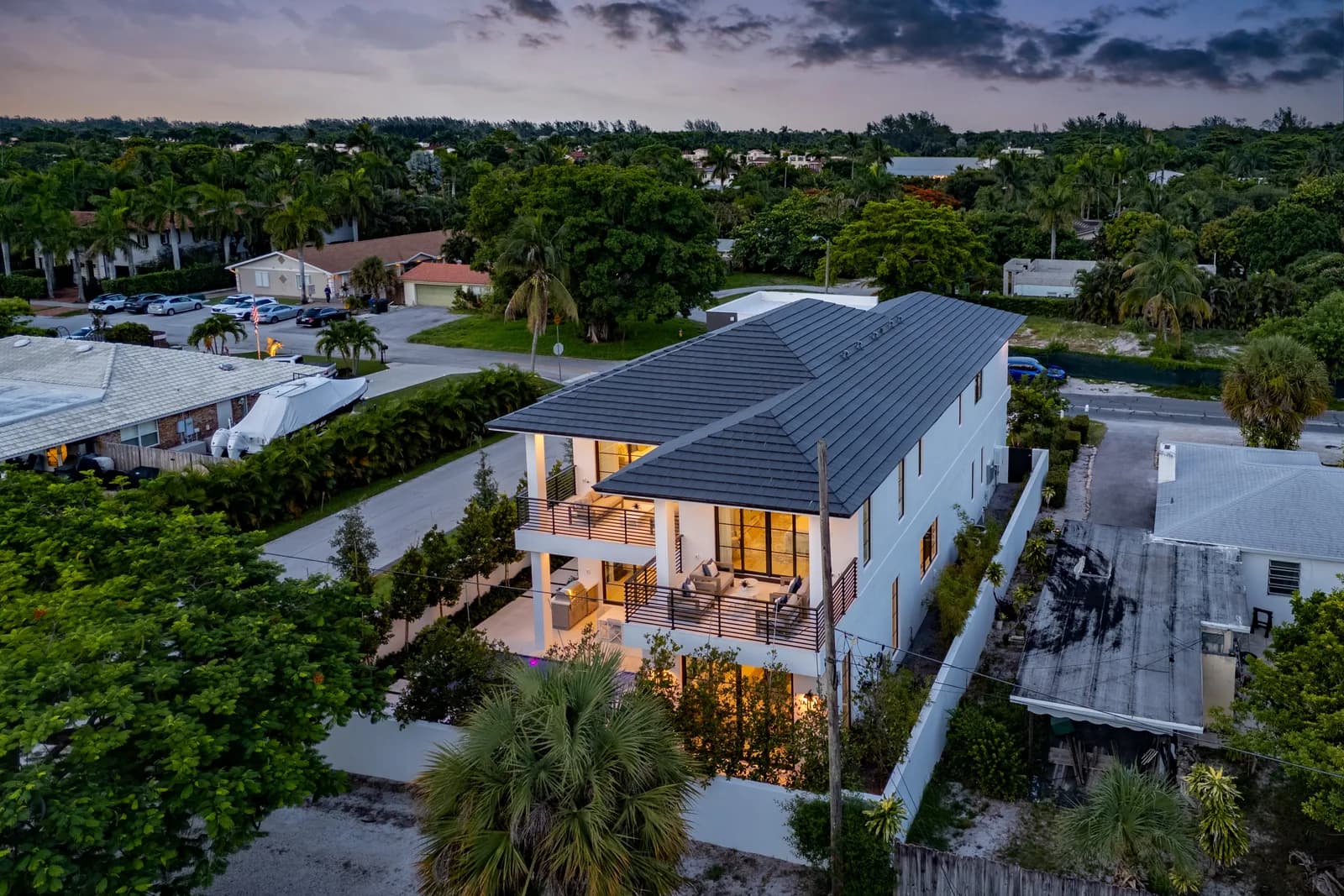
Talk to a Coastal BuilderOur coastal projects (18 and 20 E Ocean Avenue in Ocean Ridge, various others across our service area) reflect the specific expertise coastal construction requires. Pre-construction on a coastal project includes elevation certificate verification, CCCL analysis where applicable, seawall condition evaluation where applicable, and foundation design coordinated with the structural engineer from early design development. Construction uses coastal-appropriate materials throughout, with the material upgrade budgeted into the project from the start rather than discovered during construction.
For clients building on coastal lots, the most important pre-engagement question is whether the builder has real coastal experience. Mainland-only builders taking on coastal projects routinely underestimate the cost and timeline. You can see our coastal work on our projects page.
Frequently Asked Questions
How much more does coastal construction cost than inland construction?
Coastal construction typically runs 15 to 30 percent more per square foot than comparable inland construction in our market. The premium reflects elevated foundations, corrosion-resistant materials, insurance-driven specifications, and longer permitting timelines for projects that involve CCCL review.
Can I use standard construction materials on a coastal project?
Some yes, some no. Structural materials and concrete are standard. Exterior fasteners, hardware, and finishes need to be coastal-specified. A mix of standard and upgraded materials based on exposure is normal.
Is insurance available on all coastal properties?
Yes, but premiums and conditions vary widely. Properties in Zone VE with non-compliant older construction can see dramatic premium increases or coverage limitations. New construction to current code qualifies for the best available rates. Working with an insurance broker familiar with coastal Florida helps navigate the carrier options.

President, SouthShore Builders
Chase Lamson leads SouthShore Builders with decades of South Florida custom home experience. SouthShore is a licensed general contractor serving Palm Beach County and Broward County.