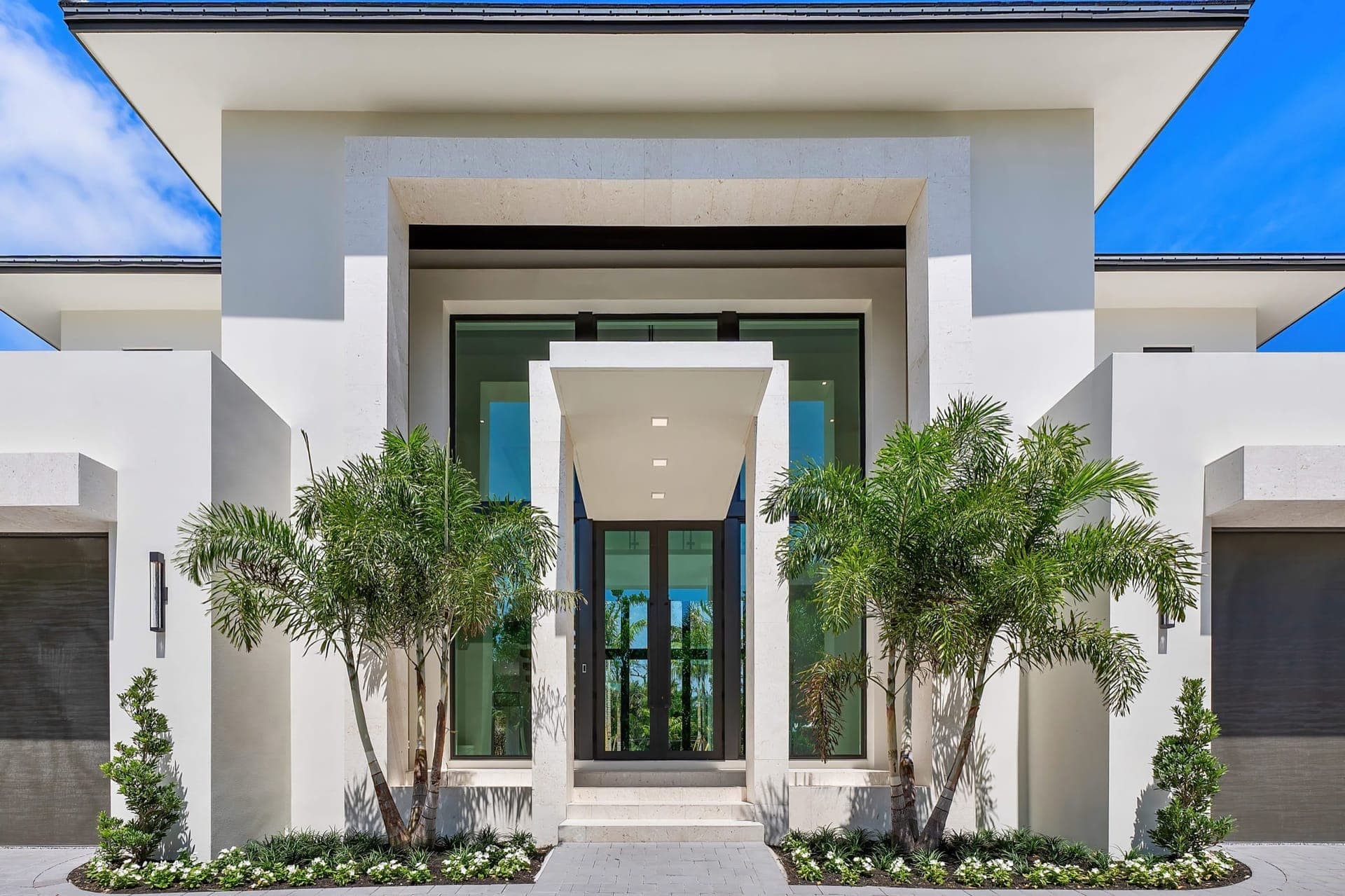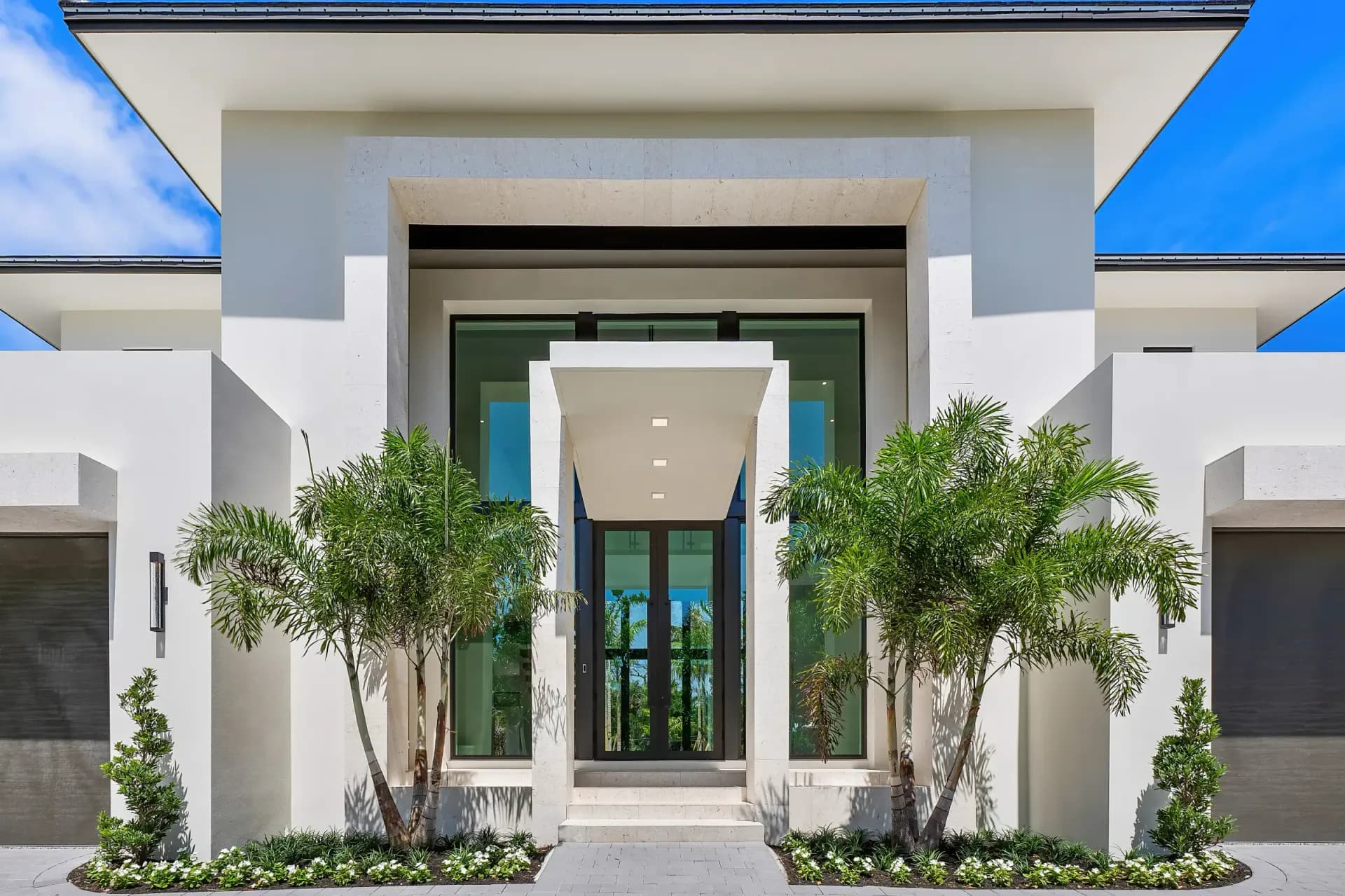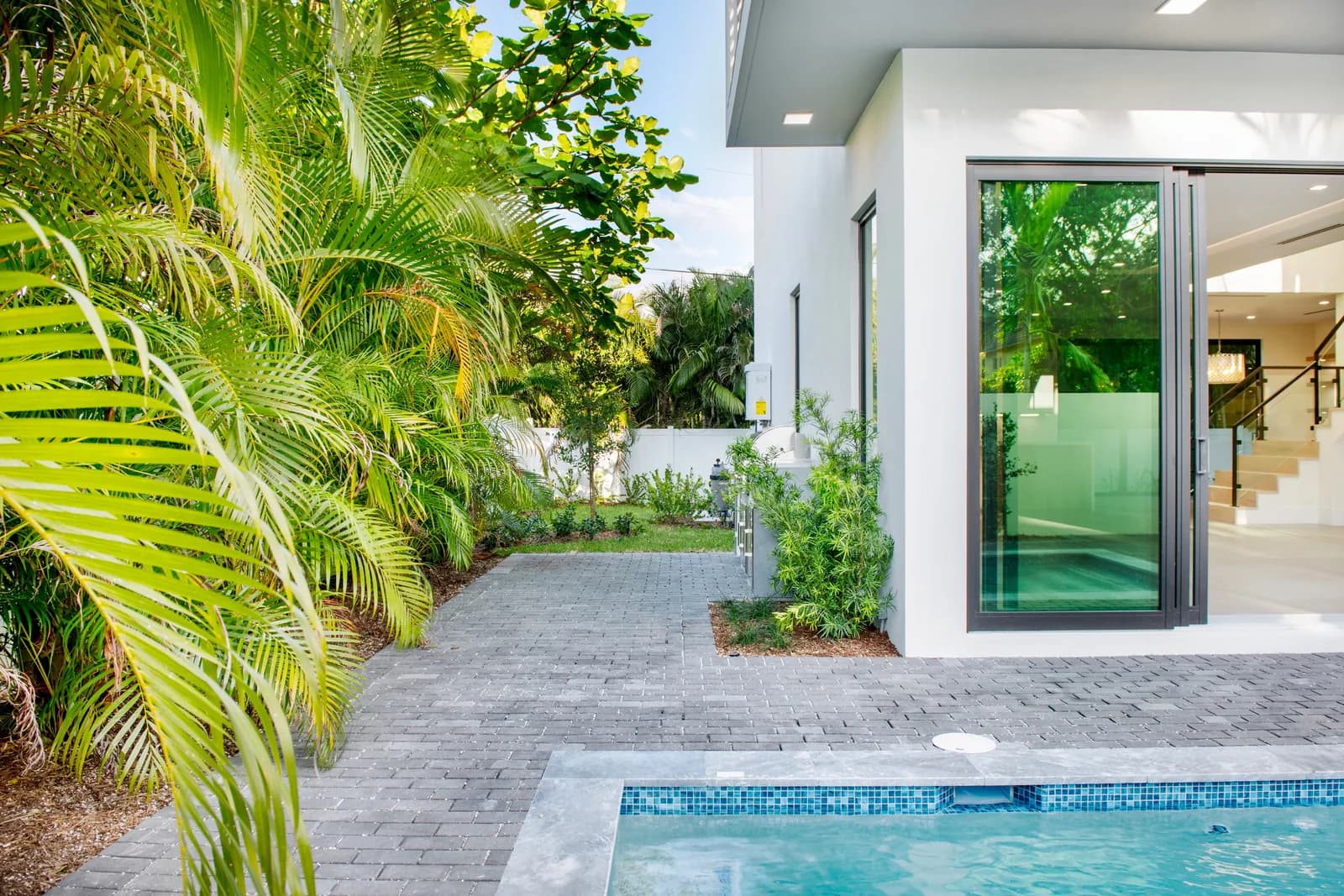
New construction in South Florida typically insures better than older homes because current code features qualify for wind mitigation credits that can cut wind premium by 40 to 70 percent compared to an older home without them. On a new $2.5 million Delray Beach home, expect roughly $8,000 to $18,000 a year for wind and $2,000 to $6,000 for flood in Zone AE, with Zone X flood often $500 to $1,500 and coastal Zone VE homes significantly higher. During construction, the builder typically carries builder's risk coverage and includes it in the contract cost.
Homeowner's insurance in South Florida has been a volatile market for most of the past decade, with premiums rising sharply across the state and carriers exiting some coverage categories entirely. In that environment, new construction presents a particular insurance profile: typically better than older homes for wind coverage, similar or better for structural coverage, and with specific considerations for flood insurance in coastal zones. Understanding what to expect helps clients budget realistically for the annual cost of owning a new custom home.
Wind insurance
Wind coverage is the largest component of most South Florida homeowner's policies and the most volatile. New construction typically qualifies for meaningful wind mitigation discounts because current building code requires:
- Impact-rated windows and doors throughout the envelope
- Roof systems attached with tested methods meeting HVHZ standards
- Continuous load path construction with documented connections
- Secondary water resistance on the roof deck
- Properly installed hurricane straps and hardware
A wind mitigation inspection documents these features and produces a standardized form that insurance carriers use to calculate wind credits. New homes typically qualify for all available credits, which can reduce wind premium by 40 to 70 percent compared to an older home without these features.
On a new $2.5 million home in Delray Beach, annual wind insurance premium typically runs $8,000 to $18,000 depending on specific location, construction details, and carrier selection. Coastal homes run higher. The specific premium depends on your carrier, your home's rebuilding cost, the flood zone, and any individual underwriting factors.
Flood insurance
Flood insurance is separate from homeowner's insurance and required for properties in mapped flood zones (Zone AE, VE, and similar). Most flood coverage in South Florida is provided either through the National Flood Insurance Program (NFIP) or through private carriers that have expanded their market presence in recent years.
Under the current NFIP Risk Rating 2.0 framework, flood premiums are calculated based on property-specific characteristics including replacement cost, first floor elevation relative to BFE, distance to water, and construction type. A new home in Zone AE built to or above BFE plus local freeboard qualifies for the best available NFIP rates, which are still meaningful but lower than rates for older homes that do not meet current elevation standards. Private flood coverage has become competitive on higher-value homes and frequently beats NFIP pricing for homes over $1 million in value.
On a new $2.5 million home in Delray Beach in Zone AE, flood insurance typically runs $2,000 to $6,000 annually. Coastal homes in Zone VE run significantly higher. Homes in Zone X pay much less (often $500 to $1,500) because the risk profile is lower.
Builder's risk during construction
During construction, standard homeowner's insurance does not apply. The builder typically carries a builder's risk policy covering the structure against fire, theft, vandalism, and other perils during the construction period. Premiums for builder's risk on a $2 to $3 million construction project typically run $8,000 to $20,000 for the duration of construction, paid by the builder and included in the construction contract cost.
Clients should verify that the builder's risk policy names them as an additional insured, covers the full replacement value of the work in place, and extends through certificate of occupancy or transition to the permanent homeowner's policy.
Construction financing insurance
Clients financing construction through a construction loan typically face additional insurance requirements from the lender, including naming the lender as additional insured on builder's risk and setting up the permanent homeowner's policy to take effect at substantial completion. These requirements are routine but worth coordinating with the insurance broker and the lender during the preconstruction phase rather than at the last minute.
Carrier market considerations
The South Florida insurance market has seen significant carrier changes over the past five years. Several major national carriers have exited or restricted Florida coverage, Citizens Property Insurance Corporation (the state-backed insurer of last resort) has grown substantially, and private market options have both expanded and contracted depending on carrier and segment.
On a new luxury custom home, the insurance broker's market access matters. Brokers who work regularly with high-value homes have access to specialty carriers (Chubb, PURE, Cincinnati Insurance, and similar) that provide coverage, service, and pricing that differ meaningfully from standard-market options. A broker who only quotes with standard-market carriers may miss options that would better fit the home.
Getting realistic quotes during design
Budgeting the full picture?
Insurance is a real line item on a coastal home. Tell us your project and we will help you plan for it from day one.
Get a Full Budget PictureThe best time to engage with insurance is during preconstruction, not after certificate of occupancy. An experienced broker can review preliminary design and specifications and provide realistic premium estimates before the home is complete. That information lets the client factor annual insurance cost into the overall ownership budget. It also surfaces any construction details (roof type, pool enclosure type, specific building systems) that might affect insurability or pricing, which can sometimes be addressed in design rather than after the fact.
SouthShore regularly introduces clients to insurance brokers who specialize in high-value South Florida residential coverage. The introduction happens early in the project to allow coverage planning to inform construction decisions rather than the reverse. You can read more about our approach to custom home building on our service page.
Frequently Asked Questions
Can I reduce my wind insurance premium by choosing specific materials?
Yes. Concrete roofing tile versus asphalt shingle, impact windows throughout versus shutters on some openings, and specific roof deck attachment details all affect wind mitigation credits. The differences on a luxury home can run into thousands of dollars annually over many years. An insurance-aware design conversation during preconstruction captures these savings.
Do I need flood insurance if I am not in a mapped flood zone?
Not required, but worth considering. FEMA maps define high-risk zones, but flooding can occur outside mapped zones, particularly during extreme rainfall events. Flood coverage on a Zone X property is typically inexpensive because the risk is lower, and it provides protection against events that homeowner's insurance excludes.
Who handles insurance during the construction-to-occupancy transition?
The builder's risk policy transitions to your permanent homeowner's policy at substantial completion or certificate of occupancy. The specific handoff date should be coordinated between your broker and the builder to avoid any coverage gap. Your broker should prepare the permanent policy during the final weeks of construction and have it ready to activate at CO.

President, SouthShore Builders
Chase Lamson leads SouthShore Builders with decades of South Florida custom home experience. SouthShore is a licensed general contractor serving Palm Beach County and Broward County.