Beyond keeping the building envelope intact in a hurricane, laminated impact glass delivers four everyday benefits: quieter interiors, about 99 percent UV blocking that protects floors, fabrics, and artwork, wind mitigation insurance discounts that in our client experience typically run 15 to 40 percent on wind premium, and greater resistance to forced entry. Those benefits show up every week you own the home. That is why we spec impact product on every opening in every build, not just where code requires it.
Every custom home built in South Florida coastal counties is required to have impact-rated windows and doors (or non-impact openings with approved shutters). Most buyers think of impact glass as a hurricane protection requirement and stop there. It is, but that is the least interesting thing about it. The day-to-day benefits of high-quality impact product are the ones that show up every week for the next 30 years the client owns the home.
What impact product actually does
Impact windows and doors are assemblies of laminated safety glass (typically two panes of tempered glass bonded to a PVB interlayer) set into reinforced frames that are tested to resist a wind-borne missile at design wind speeds. A Category 5 hurricane can drive a 2x4 at 34 miles per hour into a window. An impact-rated assembly holds up. The glass will usually crack, but it stays in the frame and keeps the building envelope intact. That intact envelope is what prevents catastrophic interior damage during a storm: wind entering through a broken window causes internal pressure that lifts roofs off and collapses walls. Impact glass prevents that sequence.
Beyond the hurricane event, impact product provides four benefits that most buyers do not anticipate.
1. Sound reduction
Laminated glass attenuates sound transmission significantly better than single-pane glass or standard insulated glass units. The PVB interlayer dampens vibrations across the glass surface, reducing transmission of traffic noise, neighborhood noise, and wind noise. On a home in an active area near Atlantic Avenue in Delray Beach or a flight path, the difference between standard glass and laminated impact glass is the difference between a quiet interior and one where outside noise is a constant presence. Clients who have lived in both configurations consistently rank sound reduction among the features they value most.
2. UV protection
Laminated impact glass blocks approximately 99 percent of ultraviolet light. In South Florida sun, that matters significantly for the longevity of interior finishes: hardwood floors, fabric upholstery, artwork, and photographs. Non-laminated standard glass blocks about 25 percent of UV. The visible difference after five years is dramatic, and by ten years, unprotected interiors show obvious sun damage on anything near a large window. The lamination in impact glass solves this problem as a side effect of its primary function.
3. Insurance savings
Florida insurance carriers offer wind mitigation discounts for homes with impact-rated openings throughout the envelope. The specific discount depends on the carrier and the policy, but in our client experience, fully impact-protected homes typically save 15 to 40 percent on wind premium compared to homes protected by shutters alone. Over the course of 20 years in a home, that savings compounds into a number that often exceeds the upfront cost of spec-ing impact glass instead of shutters.
4. Security
Laminated impact glass is meaningfully more difficult to break through than standard glass. A forced-entry attempt that would defeat a standard window in seconds takes sustained effort on an impact assembly, which tends to defeat the typical opportunistic entry attempt. This is not the primary reason anyone buys impact glass, but it is a durable secondary benefit.
Spec-ing impact product
Pricing a window package?
Send us your plans and we will price the openings as their own line item instead of burying them in an allowance.
Price My Window PackageThe impact product market in South Florida is dominated by three manufacturers: PGT, CGI, and WinDoor. Each has strengths. PGT offers the widest product range and the most established dealer network. CGI produces high-end architectural aluminum with a clean modern profile that is frequently spec-ed on modern coastal projects. WinDoor specializes in large-format doors and impact assemblies for the luxury segment. Price ranges vary significantly by product line, configuration, and glass specification, but a rough guide is that impact product runs 2 to 4 times the cost of non-impact product of similar quality. On a typical custom home with 30 to 60 openings, the impact glass line item is $60,000 to $200,000-plus depending on configuration.
At SouthShore, we spec impact throughout every build, not just on the openings required by code. The cost delta is smaller than buyers expect, and the daily benefits (quiet, UV protection, insurance savings, security) meaningfully improve the home. You can see our approach to envelope systems on our custom home building service page.
Frequently Asked Questions
Can I use shutters instead of impact glass?
Yes, code-compliant shutters meet the hurricane protection requirement at lower upfront cost. But you give up the noise, UV, insurance, and security benefits that impact glass provides 365 days a year, not just during storms. For custom homes we build, the math almost always favors impact glass.
Do impact windows look different from standard windows?
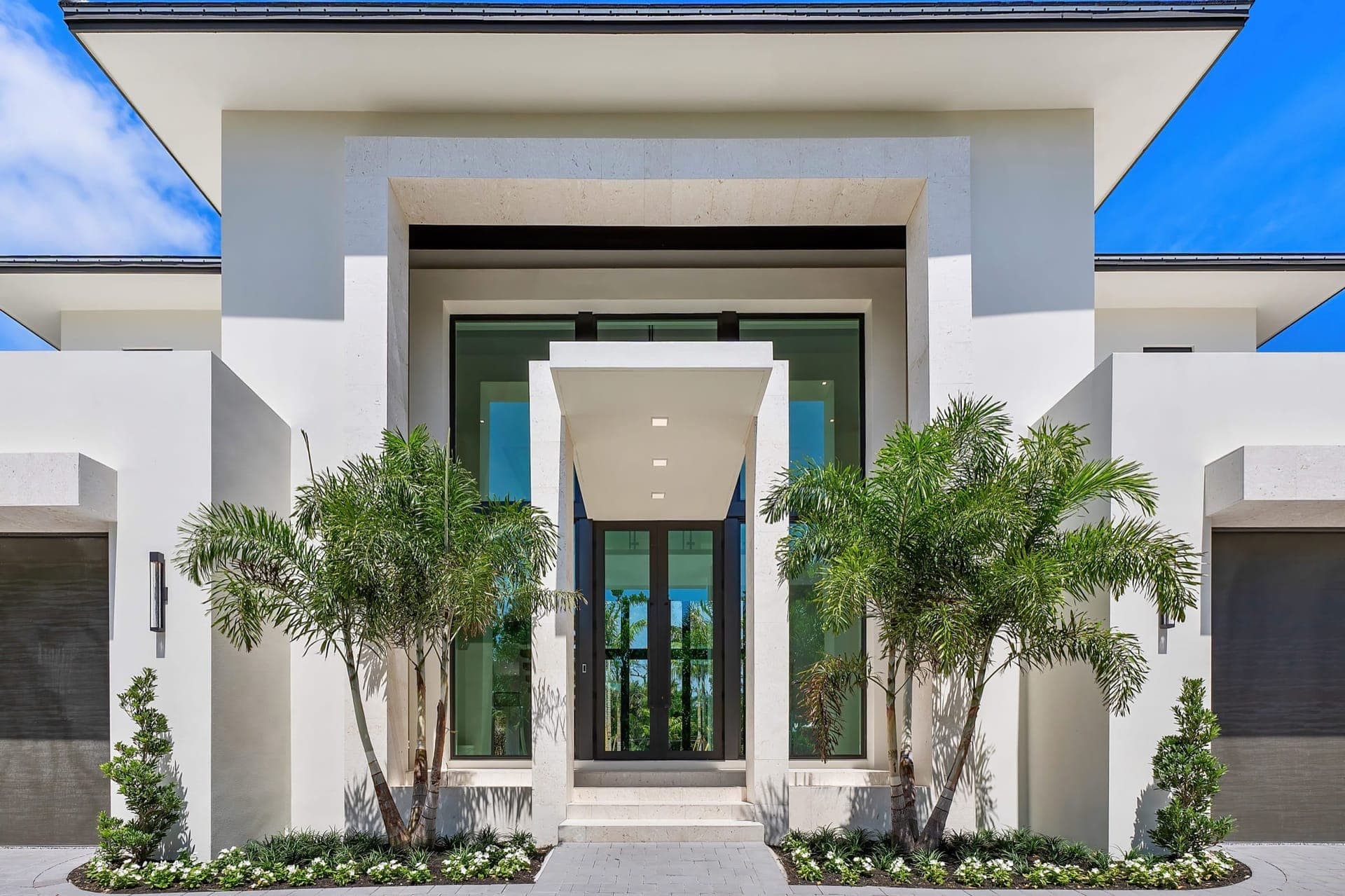
Modern impact product is visually nearly indistinguishable from non-impact product at typical viewing distances. The frames are slightly heavier to accommodate the structural requirements, but with the aluminum architectural lines spec-ed on most modern coastal builds, the difference is barely perceptible. Older impact product had visibly thicker frames, but that is no longer true with current designs.
What is the lifespan of impact glass?
Properly specified and installed impact glass assemblies last 30 to 50 years. The laminated glass itself does not degrade meaningfully over time, and the PVB interlayer is a stable polymer that does not break down. The failure points on older impact windows are usually seal failures between panes (fogging) or frame corrosion in salt-air environments, both of which modern product specifications have largely addressed.

President, SouthShore Builders
Chase Lamson leads SouthShore Builders with decades of South Florida custom home experience. SouthShore is a licensed general contractor serving Palm Beach County and Broward County.